Eco-Friendly Removals in Notting Hill: Recycle & Donate
If you are planning a move in Notting Hill, you already know the real challenge is not just shifting boxes from A to B. It is deciding what should come with you, what can be recycled, and what deserves a second life through donation. That is the heart of Eco-Friendly Removals in Notting Hill: Recycle & Donate-a practical, waste-conscious way to move that keeps clutter down and makes the whole process feel a bit lighter. Truth be told, most removals produce more waste than they need to. With a little structure, though, you can clear a flat, house, or office without sending decent items straight to landfill.
This guide walks through how sustainable removals work in real life, what to keep, what to pass on, where the common mistakes happen, and how to plan a greener move in a busy part of London like Notting Hill. If you want a wider look at how a professional team approaches moves in the area, you may also find our recycling and sustainability approach useful, alongside the broader services overview.
Why Eco-Friendly Removals in Notting Hill: Recycle & Donate Matters
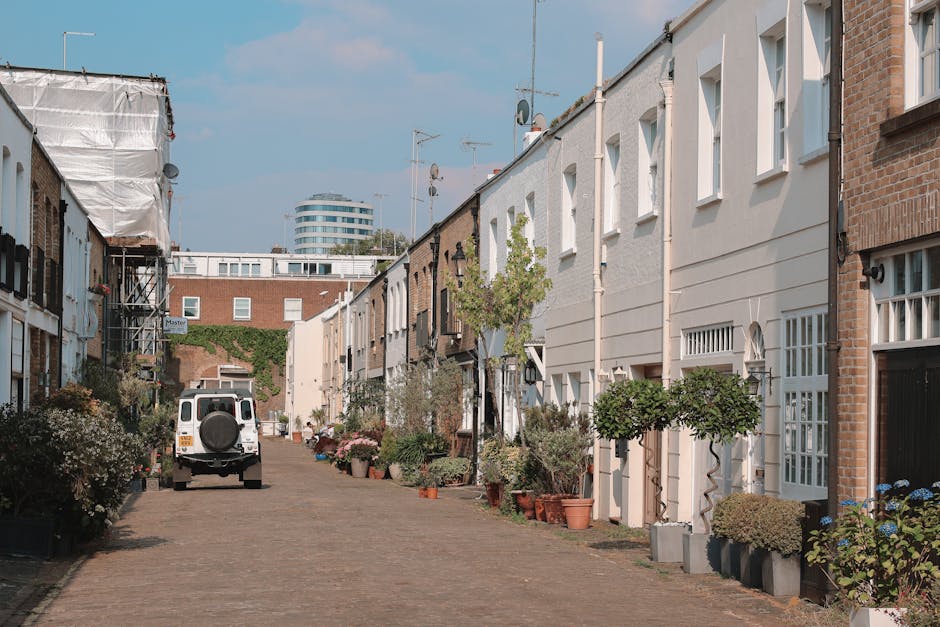
Notting Hill has a mix of period flats, mews houses, basement homes, and busy commercial spaces, so moves here often involve more than just simple packing. There are staircases, narrow streets, parking restrictions, and the usual pressure of getting everything done quickly. In that kind of setting, eco-friendly removals are not a luxury. They are sensible.
The idea is straightforward: before anything gets loaded into a van, you sort items into three groups-keep, recycle, donate. That prevents usable belongings from being tossed out with mixed waste and helps reduce the amount of material ending up in disposal streams that could have been avoided. It also tends to reduce moving stress. When you see fewer items, the job suddenly feels more manageable. Funny how that works.
There is another angle too. A greener move usually means a more organised move. Once you have identified unwanted furniture, broken small items, old textiles, books, kitchen bits, and packaging, the rest of the packing process becomes clearer. You are not carrying unnecessary weight, and you are not paying to move things you never really wanted.
Expert summary: Eco-friendly removals are not just about being "green". They are about making better decisions before the move begins, so you save space, reduce waste, and give good-quality items a useful second life.
For people moving in London, that matters on a practical level too. Every extra bag, chair, or box takes time, space, and handling. If you are working with a team experienced in local moves, such as man and van services in Notting Hill or broader removal services in Notting Hill, a well-organised recycle-and-donate plan can make the day flow far more smoothly.
How Eco-Friendly Removals in Notting Hill: Recycle & Donate Works
The process is simpler than many people expect, but it works best when you approach it in stages. Start with a clear sort, then decide where each item should go, and only then move into packing and transport. If you leave that sorting until moving day, things get messy fast. We have all seen it: someone standing in the hallway at 7:30 in the morning, holding a lamp, asking if it is "worth keeping" when the van is already outside. Not ideal.
1. Sort the move into categories
Begin with a room-by-room review. Ask yourself whether each item should be kept, recycled, donated, sold, or responsibly disposed of. Be honest. If a chair is wobbly, a mirror is chipped, and the box of old cables has not been opened in years, they probably do not need to travel with you.
2. Separate reusable items from true waste
Good donation items are generally clean, safe, and usable. Recyclables depend on material type, condition, and local collection rules. Waste should be the last category, not the default one. This is especially useful when you are clearing out a flat or preparing for a smaller home. A tidy segregation system saves a surprising amount of time.
3. Choose the right route for each item
Donation might suit furniture, books, ornaments, homeware, and some textiles. Recycling may suit cardboard, certain metals, some electronics, and packaging. Bulky items, broken goods, and mixed materials need more careful handling. If a sofa is clean and structurally sound, donation may be the best option. If it is heavily damaged, recycling or specialist disposal might be more appropriate.
4. Pack with the end destination in mind
There is no point wrapping a pile of donation books in layers of plastic film if they can be boxed neatly instead. Eco-friendly packing is part of the job, not an afterthought. Strong reusable boxes, paper-based wrapping, and sensible labelling all help. Our packing and boxes support is useful if you want the packing side handled more efficiently.
5. Load the van in a logical order
Donation goods should be kept separate from items going to your new property, especially if a charity collection or handover is planned. Good loading saves double handling, and double handling is where time disappears. A well-ordered removal van can reduce damage too, which is a nice bonus.
Key Benefits and Practical Advantages
Eco-friendly removals are not just about feeling virtuous for a day. They bring real, everyday advantages that matter when you are already juggling keys, inventory, inventories of belongings, and possibly a last-minute parking headache.
- Less waste: More items are reused, recycled, or donated instead of being thrown away.
- Lower moving volume: Clearing unwanted items early can reduce what needs to be carried and loaded.
- Better organisation: Sorting in advance helps you pack faster and think more clearly.
- Support for others: Usable items can help charities, community groups, or people setting up a home on a budget.
- Potential cost control: Fewer items often means less labour, less time, and sometimes fewer trips. Not always, but often.
- Cleaner handover: This is especially useful for landlords, tenants, and anyone dealing with end-of-tenancy clearances.
There is also an emotional benefit that gets overlooked. A donation or recycling plan gives the move a sense of purpose. Instead of simply getting rid of things, you are making deliberate choices. It can be surprisingly reassuring, especially if the move is tied to a major life change like downsizing, a breakup, a new job, or student relocation. Moving is already a lot. This makes it feel less wasteful, and a bit more human.
If your move includes special items or awkward pieces, it may help to look at related support such as furniture removals in Notting Hill or more specialist handling like piano removals. Eco-friendly planning still applies, even when the item itself needs extra care.
Who This Is For and When It Makes Sense
Honestly, almost anyone moving in Notting Hill can benefit from this approach. But it is especially useful if you are dealing with a fuller property, a short timescale, or a move where clutter has built up over time. A lot of people discover, halfway through the first box, that they have been storing "maybe useful" items for years. We have all been there.
Home movers
Households with furniture, books, clothes, toys, and old appliances usually have plenty of opportunity to recycle and donate. If you are moving between larger homes, you may want to reduce clutter before packing so the new place starts fresh. For family homes, that can be a real relief.
Flat movers and renters
Flat moves in Notting Hill often involve tight stairwells, limited parking, and a need to move efficiently. If you are leaving a compact flat, you may not want to pay to transport items you no longer use. This is where flat removals in Notting Hill and a recycling-first mindset work well together.
Students and young professionals
Students and renters moving in and out of the area often have a mix of lightweight items, old kitchenware, and furniture that has seen better days. Sorting early reduces last-minute panic and can make same-day or short-notice moves far less chaotic.
Landlords and property managers
End-of-tenancy clearances often involve abandoned items, unwanted fittings, or a property that needs to be reset quickly for the next occupant. In these situations, recycle-and-donate planning can help reduce disposal costs and create a cleaner workflow. If you deal with periodic clear-outs, you may also find value in our end-of-tenancy clearance case study for W11.
Small businesses and offices
Shops, studios, and offices around Notting Hill Gate and nearby streets may need to clear furniture, packaging, display materials, or old stock. A green approach can be useful here too, especially if you want a responsible, tidy move. Office moves often create more recyclable material than people expect.
Step-by-Step Guidance
Here is a practical process you can follow without turning the whole move into a weekend-long sorting drama. Keep it simple, keep it visible, and do not overthink every single mug.
- Walk through each room. Make a first pass and mark obvious keepers, recyclables, and donation items.
- Use three physical zones. Put one area aside for keep, one for donate, one for recycle/disposal. A spare corner or hallway works fine.
- Check condition honestly. If an item is broken, stained, missing parts, or unsafe, it probably should not be donated.
- Separate like with like. Cardboard with cardboard, textiles with textiles, electronics with electronics where possible.
- Label donation boxes clearly. This stops items from being mixed back into general packing later on.
- Reduce packaging waste. Reuse sturdy boxes and wrapping where safe to do so. Keep it sensible.
- Schedule collection or drop-off early. Donation collections and recycling arrangements are easier when booked in advance.
- Load the van in stages. Keep donated goods apart from items going to the new home.
- Do a final sweep. Check cupboards, under beds, loft corners, and behind doors. The oddest things hide in the oddest places.
One small but useful habit: keep a marker pen and a roll of tape nearby during the sort. That tiny setup saves endless confusion. It is the sort of detail people skip, then regret at 6 p.m. on moving day.
Expert Tips for Better Results
If you want the process to feel less rushed and more controlled, a few professional habits make a big difference. Nothing fancy. Just practical stuff that works.
- Start with the hardest room first. Usually that is the bedroom, loft, or storage cupboard. If you leave it until last, it becomes a stress magnet.
- Set a donation threshold. If something is clean, complete, and useful, donate it. If you hesitate for more than a minute, ask whether you are emotionally attached rather than practically attached.
- Avoid "maybe" boxes. Maybe boxes tend to travel with you for years. Let's face it, nobody loves them.
- Keep electronics together. Chargers, small appliances, and cables are easiest to sort when they are not scattered everywhere.
- Ask about specialist handling for awkward items. Large furniture, fragile mirrors, or heavy pieces may need extra attention.
- Use sustainability as a packing filter. Choose reusable, recyclable, or low-waste packing materials where they protect items properly.
- Match the move to the property. Narrow streets, stairs, and loading restrictions in Notting Hill can make efficient planning even more important. If you want tips for tight routes, our piece on Portobello Road moves and narrow W11 streets is worth a look.
A good rule of thumb? If an item would not be worth replacing second-hand for another person, it probably does not belong in a donation pile. That simple filter saves a lot of guesswork.
Common Mistakes to Avoid
A green move can go sideways if you try to rush it or use donation as a shortcut for "I do not know what to do with this." That approach causes problems later, especially when charities, recycling handlers, or your removal team need items sorted properly.
- Leaving sorting until moving day: This is the big one. It makes the whole process slower and more stressful.
- Donating unsuitable items: Broken, dirty, incomplete, or unsafe goods usually create more work than value.
- Mixing recyclable and non-recyclable items: One contaminated box can undo the effort of a whole tidy sort.
- Ignoring bulky waste rules: Large items often need special handling. Do not assume they can just be left out with normal rubbish.
- Overpacking donation boxes: Heavy, overstuffed boxes are awkward to carry and more likely to split. Not worth it.
- Forgetting access issues: In Notting Hill, access can be a genuine obstacle. Staircases, parked cars, and timed loading windows need planning.
- Using too much plastic wrap: It might feel protective, but often it is simply extra waste.
One more thing people miss: sentimental sorting. If you are moving because life is changing, it is tempting to keep everything "just in case". That is understandable. Still, moving is a chance to draw a line under clutter and begin again with only the items that genuinely matter.
Tools, Resources and Recommendations
You do not need a complicated toolkit to move sustainably, but a few simple items make a real difference. Most are probably already in your flat somewhere.
- Reusable boxes: Strong boxes are better than flimsy mixed packaging.
- Marker pens and labels: Useful for clear sorting and fewer mistakes.
- Paper tape or reusable ties: Often a cleaner choice than excess plastic where appropriate.
- Blankets and protective covers: Handy for furniture and delicate surfaces.
- Sturdy bags for textiles: Makes it easier to separate clothes, linens, and soft items.
- A simple inventory list: Helps you track what is being kept, donated, or recycled.
- Space in the property for sorting: Even a hallway or one cleared room can work if you keep it organised.
For heavier household clearances, it helps to work with a team that understands both transport and sorting. You may also want to review removals in Notting Hill if you are comparing a full-service approach with a lighter man-and-van setup, or storage in Notting Hill if you need a temporary holding point while deciding what stays.
If you are looking at budget planning too, the pricing and quotes page can help you understand how to request a clear estimate. And if safety matters most for your move, take a look at the insurance and safety guidance as well. Better safe than sorry, as people say for a reason.
Law, Compliance, Standards, or Best Practice
Eco-friendly removals touch on waste handling, donation quality, transport, and general safety. While specific local rules can vary by council or waste stream, the best practice remains the same: sort carefully, avoid unnecessary disposal, and make sure anything you hand over is fit for purpose.
For private moves, a sensible approach is to keep waste streams separate where possible and avoid mixing household rubbish with items intended for donation or recycling. If you are moving business stock or office equipment, it is even more important to manage data-bearing items, electrical goods, and confidential paperwork responsibly. That part gets overlooked more often than it should.
Where items are reused or donated, condition matters. A charity shop or receiving organisation may have its own acceptance standards, so it is best to check before delivery or collection. For recyclable goods, keep materials clean and dry if you can, and do not force mixed-material items into the wrong stream just to get them out the door.
Health and safety matters too. Heavy lifting, awkward staircases, and busy streets are part of life in W11, so proper handling is not optional. If you want to understand the operational side, our health and safety policy gives useful context. For wider trust information, the terms and conditions, privacy policy, and complaints procedure are all part of a transparent service structure.
Best practice, in plain English, means this: do the right thing before the waste becomes a problem.
Options, Methods, or Comparison Table
There is no single "best" way to handle unwanted items. It depends on the item, time available, and how much sorting you can realistically do. Here is a simple comparison to help you choose.
| Option | Best for | Pros | Watch-outs |
|---|---|---|---|
| Donate | Usable furniture, books, homeware, clothing | Supports reuse, reduces waste, helps others | Items should be clean, complete, and safe |
| Recycle | Cardboard, certain metals, some electronics, packaging | Good for material recovery and waste reduction | Materials may need separating first |
| Resell | Higher-value items in good condition | Can offset moving costs | Takes time, photos, listings, and collection coordination |
| Store | Items you may need later but cannot move now | Buys time for decision-making | Can become an expensive delay if overused |
| Dispose responsibly | Broken, unsafe, or unusable goods | Clears genuine waste from the property | Should be the last resort, not the first |
In practice, many moves use a combination of these. A dining table might be donated, a box of old paperwork shredded, cardboard recycled, and one awkward chair stored for later. That blend is normal. No need to force everything into one category.
Case Study or Real-World Example
Here is a realistic example based on a typical Notting Hill flat move. A tenant is leaving a two-bedroom flat near the station. Over time, the flat has collected a spare lamp, a few duplicate kitchen items, a bookshelf, several bags of clothing, and a small pile of packaging from recent deliveries. Nothing dramatic. Just normal life, really.
Instead of packing everything straight into the van, the tenant spends one evening sorting. The lamp is working and clean, so it is set aside for donation. The bookshelf is sturdy but no longer needed, so it is marked for collection. Clothes in good condition are bagged separately. Flattened cardboard is tied and kept apart from general rubbish. A few broken hangers, a cracked mug, and old batteries are moved into the correct disposal stream.
On moving day, the result is obvious. Fewer boxes, less confusion, and a smoother load. The move feels lighter. The tenant also avoids carrying a pile of items that would have sat unused in the new place anyway. Small win, but it matters. If the property is particularly tight for access, local knowledge can help; our notes on staircase removals solutions for flats are relevant to that kind of setting.
This is the kind of outcome eco-friendly removals are meant to create: not a perfect world, just a cleaner, calmer move with less waste at the end of it.
Practical Checklist
Use this checklist before moving day. It is simple, but honestly, simple is what works.
- Walk through each room and decide what you are keeping.
- Set aside clean, usable items for donation.
- Separate recyclables from general waste.
- Check that donation items are safe and complete.
- Flatten cardboard and reduce packaging bulk where possible.
- Label boxes clearly so they do not get mixed up.
- Book collections or drop-offs before the move if needed.
- Keep fragile, heavy, and awkward items marked clearly.
- Make sure nothing important is left in cupboards, loft spaces, or under beds.
- Confirm parking and access arrangements if the property is on a narrow street or restricted road.
- Review any special handling needs for furniture, instruments, or office items.
- Have water, tape, and a marker pen ready on the day.
If you are moving on short notice, it can help to compare your options with same-day removals in Notting Hill. For students or smaller moves, student removals can be a better fit than a full-scale service. Different moves, different rhythm.
Get a free quote today and see how much you can save.
Conclusion
Eco-friendly removals in Notting Hill are really about making better decisions before the boxes are sealed. Recycle what cannot be reused, donate what still has life in it, and only dispose of what truly has no other route. That approach reduces waste, makes moving day less chaotic, and gives your move a more thoughtful shape.
In a neighbourhood like Notting Hill, where homes are varied, access can be tight, and schedules are often unforgiving, a little planning goes a long way. And if you are dealing with a full house, a flat clearance, or an office move, it is often the small details-labelling, sorting, checking condition, and choosing the right route for each item-that make the biggest difference. Not glamorous, perhaps. But effective.
When you handle a move this way, you are not just clearing a property. You are passing value along, reducing waste, and making the whole process feel more considered. That's a decent way to move, if you ask me. Quietly practical. Better for everyone.
Frequently Asked Questions
What counts as an eco-friendly removal?
An eco-friendly removal is a move planned to reduce waste, reuse items where possible, recycle materials properly, and donate goods that are still in good condition. It is about sorting well before the move and avoiding unnecessary landfill disposal.
Can I donate furniture during a house move in Notting Hill?
Yes, if the furniture is clean, safe, complete, and likely to be accepted by a charity or reuse organisation. Sofas, tables, chairs, bookshelves, and small homeware items are common donation candidates when they are still usable.
What should I recycle during a move?
Typical recyclable items include flattened cardboard, paper, some metals, and certain packaging materials. Some electrical items can also be recycled, but they often need separate handling. It is best to sort items by material before moving day.
How do I know whether something should be donated or thrown away?
Ask whether you would feel comfortable giving the item to someone else. If it is clean, working, safe, and complete, donation may be suitable. If it is broken, stained, or missing parts, responsible disposal is usually the better option.
Are eco-friendly removals more expensive?
Not always. In some cases, they can reduce costs because you are moving less volume and avoiding unnecessary disposal. That said, the exact cost depends on the amount of sorting, labour, access, and whether specialist disposal or extra handling is needed.
How far in advance should I sort items before moving?
Ideally, begin sorting at least a few days before the move. For larger homes or office moves, giving yourself a week or more is more comfortable. The earlier you start, the less likely you are to make rushed decisions.
What if I have bulky items that cannot be donated?
Bulky items may need special transport, recycling, or disposal arrangements. Large damaged furniture, for example, usually should not be mixed with standard donation goods. If in doubt, check the condition carefully and plan the route separately.
Can eco-friendly removals work for office moves too?
Absolutely. Offices often generate plenty of recyclable packaging, old files, desks, shelving, and electronics. A structured sort helps reduce waste and makes the relocation or clearance cleaner and faster.
Do I need to clean items before donating them?
Yes, it is best to donate items in clean, presentable condition. A quick wipe-down or wash can make a big difference. Donation organisations are usually much more likely to accept items that are tidy and ready for reuse.
What is the best way to pack donation items separately?
Use clearly labelled boxes or bags and keep them in a separate area from items you are keeping. That way nothing gets mixed back into the move by accident. A simple label like "donate" or "recycle" works perfectly well.
Can I combine recycling and donation with a same-day move?
Yes, but it works best if the sorting is done before the removal team arrives. Same-day moves can be efficient, but they leave less room for last-minute sorting. If the process is well prepared, it is very doable.
Why is eco-friendly moving especially useful in Notting Hill?
Notting Hill often involves tight access, staircases, parking constraints, and properties with limited storage. Reducing unnecessary items makes the move easier to manage and can save time on the day. In a busy London setting, that matters more than people expect.