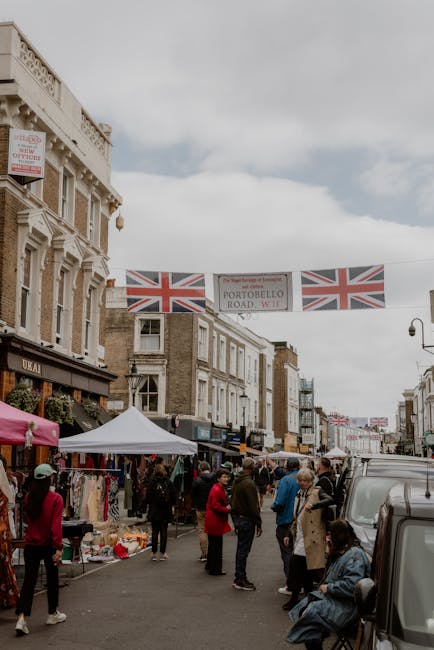
Notting Hill Gate Business Moves for Shops & Boutiques
Posted on 06/05/2026
Notting Hill Gate Business Moves for Shops & Boutiques
If you run a shop or boutique near Notting Hill Gate, moving premises is never just "a van and a few boxes." It can affect trading hours, stock levels, footfall, staff morale, fixtures, and the mood of the business itself. A careful Notting Hill Gate business move for shops & boutiques needs planning, timing, local awareness, and a bit of calm under pressure. Truth be told, that calm is often the difference between a smooth restart and a week of chaos.
This guide walks through what the move involves, why the area brings its own challenges, how to reduce disruption, and what to check before, during, and after the relocation. It also links to useful resources if you want to understand services, pricing, insurance, and the practical realities of moving in and around W11. If you are at the early planning stage, you may also find the broader services overview helpful for seeing how different move types are typically handled.
Notting Hill is lively, busy, and full of character. That is great for retail. Less great when you are trying to move display rails, POS equipment, fragile stock, and a shopfront full of glass on a narrow street with parking pressure. So, how do you do it properly?
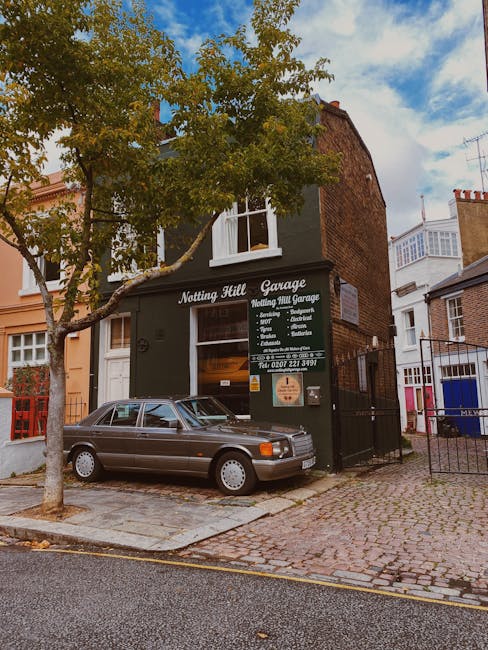
Why Notting Hill Gate Business Moves for Shops & Boutiques Matters
Shops and boutiques do not move like ordinary homes. You are not just relocating furniture. You are protecting stock, preserving presentation, keeping customer-facing assets safe, and trying not to lose momentum during the move. In a place like Notting Hill Gate, where retail spaces can be tight and access can be awkward, the margin for error gets smaller fast.
There is also the brand side of it. A boutique's atmosphere matters. If a customer walks in and sees bent rails, scratched mirrors, delayed shelving, or a half-finished fit-out, the impression sticks. The move is part logistics, part brand protection.
For many independent retailers, the real challenge is timing. You might be closing one unit on a Sunday evening and reopening in another location by midweek. That is not always easy, but with the right move plan it is manageable. And, let's face it, a well-organised move can feel a little like a reset button for the whole business.
Local knowledge matters too. Notting Hill Gate sits within one of London's most recognisable retail and residential environments, with a mix of traffic, footfall, parking restrictions, and busy surrounding streets. If you are also looking at the area from a wider business perspective, guides like a resident's perspective on Notting Hill and local advice for living in Notting Hill can give useful context about the neighbourhood rhythm.
How Notting Hill Gate Business Moves for Shops & Boutiques Works
A good retail move is usually built in phases. The exact order varies, but the logic stays the same: assess, plan, pack, move, install, and check. The job gets easier when each stage is mapped out before a single box is touched.
For shops and boutiques, the move often begins with a site survey or at least a detailed telephone assessment. This helps identify access points, stairways, loading limits, fragile items, parking constraints, and any items that need special handling. If you have high-value mirrors, glass cabinets, artwork, display busts, or stock that cannot be crushed, that needs flagging early.
Then comes the sequencing. In practice, this means deciding what leaves first and what stays until last. Most retailers keep trading essentials and POS items separate from long-term stock. You do not want the till roll, card machine charger, and receipt printer buried in the wrong box. Been there, and it is annoyingly avoidable.
On the moving day itself, the team usually works with a clear loading plan. Heavier fixtures go first, fragile pieces are wrapped and stabilised, and stock is labelled by category or zone. That can mean men's wear together, accessories together, seasonal stock together, or by fixture number if you already have a floor plan for the new site.
Once items reach the destination, the best moves do not stop at delivery. They include placement help. A boutique opening is much smoother when rails, mirrors, counters, and storage units are positioned in the right order, not left in the middle of the floor like a puzzle nobody asked for.
If you are comparing move support options, it may help to look at the wider removal services in Notting Hill and the dedicated office removals support for businesses with desks, files, IT, or back-office operations alongside retail stock.
Key Benefits and Practical Advantages
A well-run boutique move is not just about getting from A to B. It can protect revenue, reduce damage, and keep your team sane. That last one is not a small thing.
- Less downtime: A structured move helps you reopen faster and with fewer missing pieces.
- Better stock protection: Fragile, seasonal, or premium items can be packed by category and handled carefully.
- Cleaner brand presentation: Display furniture and mirrors arrive in better condition, so your new space feels ready sooner.
- Reduced staff stress: Clear roles and timing reduce the scramble that often happens when no one owns the plan.
- Improved local logistics: A mover familiar with narrow streets and loading constraints can save a lot of unnecessary waiting.
Another practical advantage: good planning often reveals things you would otherwise forget. Extra shelving. Old stock that should be cleared. Packaging that needs replacing. Lighting pieces. Storage for seasonal overflow. Those little gaps can hold up the reopening more than people expect.
For some businesses, the move is also a chance to improve the shop layout. A better counter position or smarter stockroom layout can make daily trading easier long after moving day. That is where the move starts paying back in quiet ways.
Who This Is For and When It Makes Sense
This kind of move is for independent shops, fashion boutiques, gift stores, concept stores, beauty retailers, gallery-style outlets, and any small retail business moving within or near Notting Hill Gate. It also suits pop-up brands upgrading into a permanent unit, or established traders shifting to a more visible pitch.
It makes sense when:
- you are changing premises within W11 or nearby areas
- you need help moving stock, fixtures, and delicate shop fittings
- you have limited access or tight time windows
- you are coordinating with landlords, fit-out contractors, or designers
- you want to reopen quickly with minimal business interruption
It is also worth considering if your current setup has outgrown the space. A boutique packed with stock, seasonal rails, and oversized fittings can become inefficient very quickly. Sometimes the move is not just relocation. It is a correction.
And if your move is tied to a broader life change - a new lease, a change in trading model, a shift to appointment-only retail - the practical side can feel a bit emotional too. That is normal. Shops carry identity. More than people admit, actually.
Step-by-Step Guidance
Here is a practical way to approach the move without turning it into a last-minute crisis.
- Audit what needs to move. List stock, fixtures, packaging materials, signage, IT, and any fragile display items.
- Separate essentials from non-essentials. Create a "must open first" box for card readers, keys, invoices, chargers, and key documents.
- Measure both premises. Check door widths, staircases, lift access, and whether larger items will actually fit through the route.
- Label everything clearly. Use room labels, shelf labels, or department codes. This saves time later.
- Plan the moving window. Aim for off-peak times where possible, especially in busy retail stretches.
- Protect delicate items properly. Mirrors, glass shelves, and display units should be wrapped and secured for transit.
- Prepare the new site in advance. Clean it, check power points, and make sure the basic layout is ready before delivery.
- Do a final walk-through. Confirm nothing has been missed, including stockroom items and small tools that vanish at the worst moment.
A useful habit is to assign one person to be the move lead. Not to micromanage, just to make decisions quickly. Without that, everyone assumes someone else is handling the details. And then, somehow, the tape disappears.
If the move involves heavier furniture or a more complex route, looking at furniture removals in Notting Hill can help you understand how bulky items are typically managed. For smaller vehicles and quick local support, man with a van in Notting Hill may be more suitable for compact boutique loads.
Expert Tips for Better Results
Small choices make a big difference in retail moves. Here are the practical tips that tend to save time and money.
- Photograph your existing layout. Take quick images of displays, stockroom shelves, and cable arrangements before dismantling anything.
- Pack by opening priority. Place the first-day essentials in the final-loaded box so they are the first unloaded.
- Use colour coding. It sounds simple because it is. Blue for stock, green for fixtures, red for fragile items. Easy to spot, easy to sort.
- Protect the floor and fittings. Cardboard, wraps, and blankets reduce scuffs in both the old and new unit.
- Allow extra time for London access. Parking and loading rarely go exactly to plan. Build in a buffer.
- Keep a "do not move" zone. This is useful for items that should stay in the shop until the very last minute.
One slightly old-fashioned but genuinely effective tip: print a simple inventory sheet. Not glamorous, I know. But when a shelf divider, display stand, or bag of fittings goes missing, the paper trail helps more than anyone expects.
If sustainability matters to your brand, ask how unwanted packaging, redundant shelving, or offcuts can be handled responsibly. The company's recycling and sustainability approach is a good reference point if you want to reduce waste where possible.
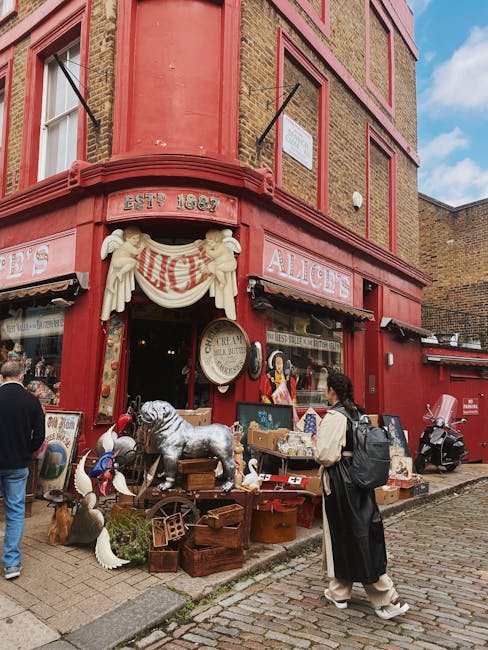
Common Mistakes to Avoid
Retail moves go wrong for predictable reasons. The good news is most of them are avoidable.
- Leaving packing too late. Even a small boutique takes longer than people think once fragile items and stock counts are involved.
- Not separating stock from fixtures. When everything is mixed together, unpacking becomes slower and riskier.
- Ignoring access details. A van may arrive on time and still lose an hour if the route or loading bay has not been checked.
- Forgetting the opening-day kit. Keys, invoices, tools, chargers, and payment devices should not be buried in the back of the van.
- Underestimating fitting time. Delivery is not the same as being ready to trade.
- Skipping insurance checks. For valuable stock or bespoke fixtures, that is not a risk worth taking.
A quieter mistake is failing to tell staff what is happening and when. If they do not know the plan, they fill the gaps with guesswork. Then the move becomes a dozen mini decisions instead of one clear process. A bit messy, frankly.
Tools, Resources and Recommendations
You do not need a giant toolkit, but a few practical items make the process easier.
- Strong cartons and wardrobe boxes: Useful for garments, soft stock, and accessories.
- Bubble wrap and paper wrap: For glass, ceramics, mirrors, and small decor pieces.
- Labels and marker pens: Keep the system simple and consistent.
- Heavy-duty tape: Because weak tape on retail stock is just trouble waiting to happen.
- Blankets and furniture covers: Great for counters, tables, and display units.
- Trolley or sack barrow: Handy for stockrooms and back entrances.
As for services, start with the moving provider's pricing and quotes information so you know how the work is likely to be structured. If your boutique has a delivery deadline or a hard opening date, it is also sensible to discuss flexibility and timing early through the contact page.
For moves with larger back-office requirements, you may also want to compare support with removal companies in Notting Hill and, if your setup includes office systems, office removals in Notting Hill. That helps you choose the right level of service rather than paying for more than you need.
Law, Compliance, Standards, or Best Practice
Retail moves are not usually complex from a legal standpoint, but there are still practical obligations and expectations to keep in mind. The main thing is to avoid assumptions. If your business handles stock, cash systems, customer data, or special items, treat the move as a controlled operational change.
Best practice usually includes:
- confirming access permissions and any building rules with landlords or managing agents
- checking whether the new unit has any fit-out or loading restrictions
- protecting goods in transit with appropriate packing and handling
- keeping customer data secure if devices or records are being moved
- making sure staff understand manual handling basics
If there are heavy items, awkward lifts, or multiple trips on stairs, manual handling should be taken seriously. It is simple enough in theory, but backs and corners of doorframes rarely forgive carelessness. The business's health and safety policy and insurance and safety information are useful references if you want reassurance on how risk is handled.
Data protection matters too, especially if your boutique uses booking lists, customer records, or payment devices. You do not need to overcomplicate this, but do make sure sensitive items are accounted for and kept secure. If you need reassurance about how information is handled online, the site's privacy policy and payment and security pages are worth reviewing.
One more thing: if you are moving from a busy or highly visible frontage, try to keep public disruption minimal. That is just good retail manners. Neighbours notice, customers notice, and in Notting Hill, the street memory can be surprisingly long.
Options, Methods, or Comparison Table
Not every shop move needs the same approach. The best option depends on volume, urgency, access, and how fragile your fixtures are.
| Move method | Best for | Strengths | Trade-offs |
|---|---|---|---|
| Man and van | Small boutiques, limited stock, quick local shifts | Flexible, efficient, often ideal for compact loads | Less suited to bulky fit-outs or complex multi-stage moves |
| Dedicated removal service | Shops with fixtures, mirrors, and more structured stock | Better for planning, handling, and larger inventories | May cost more than a simple van-only job |
| Same-day move | Urgent relocations or short-notice changes | Fast response and minimal delay | Requires tight preparation; not ideal if items need extensive dismantling |
| Storage-supported move | Staged reopenings or delayed fit-outs | Useful when the new site is not ready yet | Needs extra coordination and timing |
For many boutiques, a hybrid approach works best. For example, a first van for stock and essentials, followed by a second run for shelving and display furniture. Simple enough. Also less stressful than trying to shove everything into one perfect trip that does not quite fit.
If your timeline is tight, take a look at same-day removals in Notting Hill. If you need temporary overflow space, storage in Notting Hill can help bridge the gap between old and new premises.
Case Study or Real-World Example
Imagine a small fashion boutique moving from a side street near Notting Hill Gate into a slightly larger unit with better frontage. The old shop has a mix of hanging rails, glass shelving, mirrors, seasonal stock, wrapped accessories, and a narrow stockroom. Nothing outrageous, but enough to need care.
The owner starts with a full inventory and separates reopening essentials into one clearly labelled set of boxes: payment terminal, charger cables, till accessories, price tags, garment steamers, and cleaning supplies. Fixtures are photographed before dismantling. Mirrors and shelves are wrapped. Rails are broken down and taped by section, not just tossed into a random pile. A small thing, but it avoids half the head-scratching later.
Because the new unit has limited access at the back, the move is timed for an early window when pedestrian flow is lighter. The team unloads in order of priority: counter, racks, stock, then decor. By the end of the day, the shop is not fully styled, but it is openable. That matters more than perfection on day one.
The owner gets the bigger win a week later. The new layout is cleaner, easier to browse, and actually holds stock better. So the move doesn't just relocate the business. It improves it.
That, to be fair, is what a good retail move should do.
Practical Checklist
Use this as a quick pre-move sanity check.
- Inventory completed
- Fragile stock identified
- Fixtures measured
- Access route checked
- Parking or loading plan confirmed
- Staff assigned clear tasks
- Payment devices and chargers packed separately
- Keys, documents, and opening-day items secured
- Old premises photographed for handover
- New premises cleaned and ready
- Insurance and safety considerations reviewed
- Reopening sequence planned
Practical summary: if you can answer where each item is going, who is handling it, and when it needs to arrive, you are already ahead of most stressful moves. That is the real trick.
Conclusion
A successful Notting Hill Gate business move for shops & boutiques is not about brute force. It is about order, timing, care, and local awareness. When you plan properly, pack intelligently, and choose a moving setup that matches the size and shape of your business, the process becomes far more manageable.
For independent retailers in Notting Hill, the goal is not just to move. It is to reopen with confidence, protect the brand you have built, and avoid unnecessary disruption along the way. A smooth move can feel like a fresh start, and sometimes that is exactly what a business needs.
If you are comparing options or preparing for a move soon, start by reviewing the practical details, checking the access, and speaking early with a trusted local team. A little preparation goes a long way, especially on London streets where nothing quite happens in a straight line.
Get a free quote today and see how much you can save.
And if all else fails, make the first box the one with the kettle. Small mercy, but a real one.