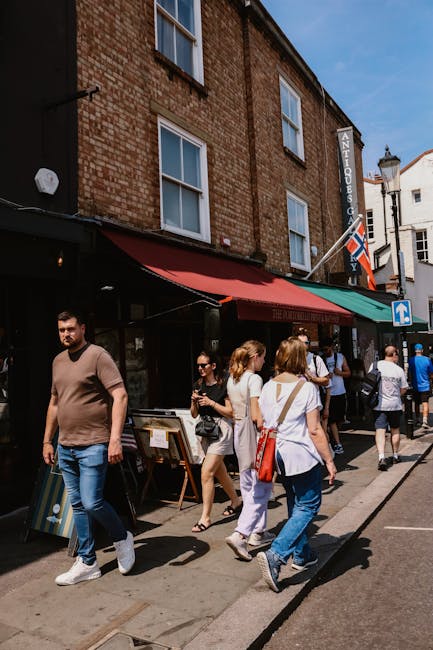
Portobello Market Stall Move: A Real Job Breakdown
Posted on 26/06/2026
If you have ever watched a Portobello stall being stripped, packed, shifted, and rebuilt before the market wakes up properly, you will know this is not a casual "load the van and hope for the best" kind of job. A Portobello Market Stall Move: A Real Job Breakdown has to be fast, tidy, route-aware, and calm under pressure. The stall may look small from the outside, but in practice it often includes racks, folding tables, stock crates, signage, cash boxes, display pieces, and a surprising amount of awkwardly shaped kit.
This guide breaks the job down in real terms: what is involved, where the pressure points are, how to plan it, and what good execution actually looks like. If you are moving a market pitch, supporting a trader, or coordinating a small business move in Notting Hill, this is the sort of practical detail that saves time, stress, and a few headaches as well.
For more background on the local area and business setting, you may also find it useful to read about life in Notting Hill local advice and the broader removal services overview.
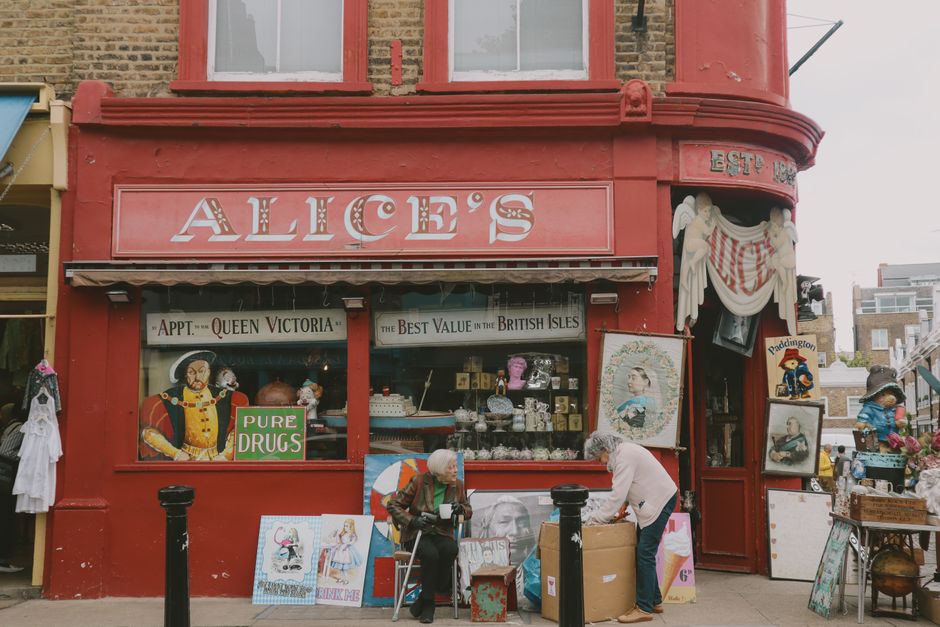
Why Portobello Market Stall Move: A Real Job Breakdown Matters
Market moves are often underestimated. That is the first problem. A stall move is not only about transport; it is about timing, access, protection, and continuity of trade. If a trader loses an hour because the van arrives late, or if stock gets damaged because packaging was rushed, the cost is bigger than the moving fee. You lose trading time, momentum, and sometimes customer confidence too.
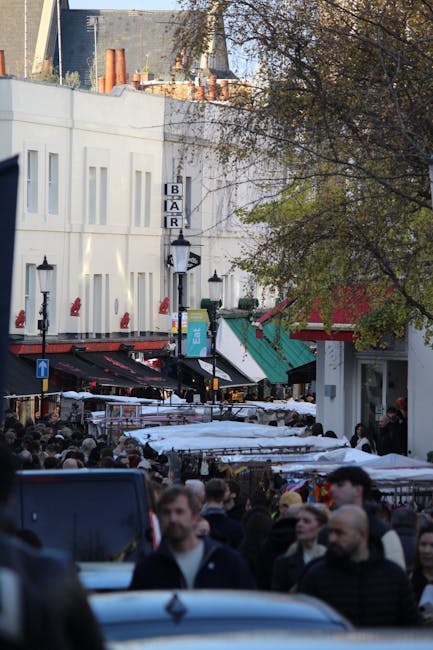
Portobello is also its own thing. Narrow streets, changing footfall, busy trading windows, residential neighbours, and delivery restrictions all make the job less forgiving than a standard local collection. Even the simple act of stopping for a few minutes can become awkward if the plan is not right. To be fair, that is true of many London moves, but market stall logistics in W11 can feel especially tight.
This matters because the stall move often has three moving parts at once: the stall hardware, the stock, and the people doing the work. One person might be dismantling the display while another is protecting fragile items and a driver is trying to keep the vehicle positioned safely and legally. Miss one part and the whole morning can wobble.
It also matters for business rhythm. Many stallholders depend on repeat setups and predictable routines. A well-managed stall move preserves that rhythm, which is why experienced movers often treat it more like a timed operation than a standard clearance job.
Expert summary: A Portobello stall move succeeds when the van, the packing, the route, and the time window are planned as one system. If any one piece is treated casually, the whole job starts to feel messy very quickly.
How Portobello Market Stall Move: A Real Job Breakdown Works
In real terms, the process starts before anything touches the van. A proper move begins with a quick but honest assessment of what actually needs moving. That usually means separating stock from equipment, identifying fragile items, measuring bulky pieces, and checking whether anything can be folded, nested, or stacked. You would be surprised how often time is lost because nobody has asked the simple question: what is coming, and in what order?
Next comes route and access planning. This is where local awareness pays off. If the trader is based near Portobello Road or needs access through tighter W11 streets, the route may need to be adjusted for size, parking, and loading conditions. Small details matter here. A van that looks fine on paper may still be a nightmare if it cannot stop safely near the stall or if the driver has to shuttle stock by hand for too long.
Then comes the actual loading sequence. Good movers load in layers: light, awkward, and fragile items first in the right protective format, then heavier containers, then equipment that needs to stay accessible for unloading. Bad loading is usually easy to spot later: bent rails, crushed packaging, and stock that has shifted into a small chaos pile somewhere at the back. Not ideal.
After loading, the delivery side is about speed without carelessness. The goal is to unload in the order that supports reassembly, setup, and trading. If the stall needs to be live for a market window, the team should be thinking not just about the drop-off point but about the final display sequence. A stall that is physically moved but not operational is only halfway done.
If your move involves broader business logistics, it can be useful to compare it with other commercial moves such as shop and boutique moves in Notting Hill Gate. The scale may differ, but the pressure points are often very similar.
Key Benefits and Practical Advantages
A well-run stall move gives you more than convenience. It protects revenue, reduces waste, and keeps the trader in control. That is the real value. Once the move is handled properly, the next market day starts looking far less frightening.
- Less stock damage: Proper packing means fewer broken pieces, bent display items, and stained textiles.
- Faster setup: If items are labelled and loaded in the right order, the stall can be rebuilt much faster.
- Lower stress: Good planning removes the usual last-minute scramble.
- Better use of labour: Fewer unnecessary trips, fewer "where did that go?" moments, fewer delays.
- Cleaner trading continuity: The stall is ready to sell sooner, which is the whole point really.
There is also a quieter benefit: confidence. Traders who know their move has been thought through tend to make better decisions on the day. They speak more clearly to helpers, keep better track of stock, and recover faster if a minor issue pops up. And something usually does pop up. That is just London.
For some traders, it also helps to have a broader support plan in place. If items need temporary holding while the pitch changes or the stand is rebuilt, short-term storage in Notting Hill can be a sensible backup. Not always needed, but useful to have in mind.
Who This Is For and When It Makes Sense
This kind of move is for market traders, independent retailers, vintage sellers, food and craft stall operators, and anyone using a semi-permanent or repeat-use setup around Portobello and the surrounding W11 area. It also suits people who trade at weekend markets, seasonal pop-ups, or outdoor events where equipment has to be dismantled and transported regularly.
It makes sense when the move is more involved than a few shopping bags and a card table. If you have rails, branded boards, heavy boxes, fragile display stock, lighting, or a setup that has to look good as soon as it lands, you need a structured move. Simple as that.
It also makes sense if the trader is working alone. One-person businesses often try to do everything themselves because that is what small business life looks like. Fair enough. But a market move can swallow a whole morning if you try to juggle packing, lifting, driving, and unloading without proper help.
And if the move overlaps with a wider life admin event, such as a flat move or a change in local base, then it may be worth looking at related planning advice such as tips for moving through narrow Portobello Road streets and flat removals in Notting Hill.
Step-by-Step Guidance
1. Make a complete inventory
Start with a full list of what is moving. Split the list into categories: stock, display materials, foldable furniture, tools, signage, electrical items, and anything fragile. This sounds basic, but a tidy inventory is what keeps the move under control when the day gets busy.
2. Decide what should travel together
Not everything should be packed by size alone. Items that belong together at the stall should be grouped together for setup. For example, shelving brackets, fixings, and matching signage should travel in one clearly marked container rather than being scattered across three boxes. You do not want a tiny missing screw holding up the whole reassembly.
3. Check the access and timing
Confirm when the van can load, where it can stop, and how long the parking or loading window lasts. If you need to reduce the chance of delays, it helps to build around local parking realities. A useful related guide is W11 parking permits explained.
4. Pack for sequence, not just safety
Pack in the order you will need items at the new pitch. That means the last thing packed should not be the first thing you need at setup. Label each box with both contents and destination role, for example "rear display", "cash box kit", or "folding rail accessories".
5. Protect fragile and premium stock
Use wrap, covers, or dividers for anything that scratches, dents, smudges, or bends easily. Premium stock often costs more to protect than it does to move, which is why careful packing is worth the time. If your stall includes heavier or delicate pieces, the approach should feel closer to specialist handling than casual removal.
6. Load in the right order
Put the items needed first for setup where they can be reached quickly on arrival. Heavier containers sit lower. Fragile items stay secure. Anything that might need checking on the road should not be buried. It is not glamorous work, but it saves a lot of backtracking later.
7. Rebuild with the selling layout in mind
On arrival, rebuild the stall so the selling zone comes together first. Display, stock access, payment equipment, and customer-facing pieces should take priority over decorative extras. If the weather is dodgy, and let's face it sometimes it is, the practical items matter more than the pretty ones.
8. Review and reset for next time
Once the job is done, take five minutes to note what worked and what did not. That tiny review is gold. You will remember which box was awkward, which label saved time, and which piece should be packed differently next market day.
Expert Tips for Better Results
One of the best habits is to create a move-day order of operations. This is simply a list of who does what, in what sequence, and where the items should land. It avoids three people trying to lift the same rack while nobody is dealing with the stock crates. Bit chaotic otherwise.
Another useful tip: keep a "first to open" kit separate from the rest. That kit should include the things you need immediately on arrival, such as tape, scissors, ties, wipes, charge cables, and a basic tool set. You do not want to unpack five boxes looking for one roll of tape. We have all been there, or something close to it.
For mixed loads, place the most fragile pieces in the van where they are least likely to get crushed. In practice, that often means away from heavy metal frames and loose stock. Also, try not to overfill boxes. Overpacked boxes are one of those tiny mistakes that becomes a grumpy little problem at unloading time.
If the stall move is linked to a wider business relocation or repack, a stronger overall removal plan can help. Pages like man and van Notting Hill, man with a van Notting Hill, and local removal services give a sense of the support available for smaller, flexible jobs.
Common Mistakes to Avoid
- Leaving packing until the last minute: This is the classic one. It nearly always creates stress, and often leads to poor labelling.
- Underestimating access restrictions: A stall can be easy to unload in theory and awkward in real life if the van cannot stop nearby.
- Mixing setup parts with general stock: That is how you lose time at the new pitch.
- Using weak packaging: Thin boxes, reused tape, and loose wrapping can all fail at the wrong moment.
- Ignoring weather: Rain, wind, and damp surfaces all affect handling, especially with fabric, paper goods, and cardboard.
- Not assigning one point of contact: If everyone is "kind of" in charge, nobody is really in charge.
One more mistake, and this one gets missed often: assuming the move ends when the items arrive. It does not. The job is only finished when the stall is usable again, the stock is accounted for, and the trader can breathe normally. That last bit counts.
Tools, Resources and Recommendations
You do not need a warehouse full of kit, but a good stall move benefits from a few basics:
- strong boxes and crates
- tape, scissors, and cable ties
- labels or marker pens
- blankets, wraps, or covers for delicate pieces
- strap-down points for van loading
- a small toolkit for on-site reassembly
- clean cloths or wipes for dust and handling marks
For packing support, it may be worth reviewing packing and boxes in Notting Hill. If the move is unusually time-sensitive, same-day removal support can sometimes make the difference between a missed setup and a workable one.
A sensible recommendation is to keep a reusable "market kit" ready between trading days. Think of it as your operational backpack, just larger and less romantic. That kit can hold the small items you always forget when rushing out the door.
Law, Compliance, Standards and Best Practice
For a Portobello stall move, the main compliance concerns are usually practical rather than dramatic: safe lifting, safe loading, sensible parking, and respect for site rules. If the stall is part of a trading arrangement, it is wise to follow the market operator's instructions and any local access requirements carefully. Those details can change, and assumptions are risky.
In UK moving practice, good health and safety usually means planning lifts properly, using suitable equipment, avoiding unstable stacking, and making sure people are not rushing through hazardous steps or uneven pavements. That sounds obvious, but it is exactly where shortcuts cause injuries. The trouble starts when someone says, "It'll be fine, just one more box."
Insurance is another area worth checking. If equipment is valuable, fragile, or custom-made, the trader should know what protection is in place during transit and loading. Do not assume coverage. Ask, confirm, and keep it clear in writing if possible.
Best practice also includes ethical handling of labour. If helpers are used, they should be treated fairly and work within safe limits. For readers who want to understand company standards more broadly, the site's health and safety policy, insurance and safety information, and modern slavery statement are useful trust signals to review.
Options, Methods and Comparison Table
There are a few ways to handle a stall move. The best one depends on volume, access, urgency, and how much setup work is involved.
| Method | Best for | Pros | Limitations |
|---|---|---|---|
| Self-move | Very small loads, minimal equipment | Low direct cost, full control | Higher risk of delay, lifting strain, and missed detail |
| Man and van support | Small to medium market stalls | Flexible, practical, cost-conscious | Still needs good packing and coordination |
| Full removal support | Heavier, fragile, or multi-part stall setups | More structured handling, better for awkward items | Usually more expensive and may be more than some stalls need |
| Same-day callout | Urgent changes or last-minute disruption | Fast response, useful in emergencies | Less planning time, sometimes limited availability |
For many stallholders, the middle option is the sweet spot. A flexible vehicle with a careful team is often enough. If the load is especially awkward or the stall includes furniture-like display pieces, looking at furniture removal support can be a smarter fit than trying to force it into a smaller plan.
Case Study or Real-World Example
Picture a trader moving a weekend stall from a storage point near Notting Hill into a Portobello setup. The load includes folding tables, two garment rails, boxed stock, mirrors, signage, a card reader kit, and a handful of decorative pieces that make the stall look less like a storage cupboard and more like a business. The deadline is tight because the market opens early and the trader wants thirty minutes to dress the stall before customers start drifting through.
The job runs well because the preparation is simple and disciplined. The rails are dismantled the night before, the stock is grouped by display zone, fragile items are wrapped separately, and the first-unpack kit is kept on top. The van is booked to arrive before the main rush, and the trader has already checked the access point and loading sequence. Nothing fancy. Just careful.
At arrival, the team unloads in order: display structure first, then stock crates, then signage and finishing pieces. There is a small delay because one box is heavier than expected, and someone mutters that it "looked lighter yesterday", which, to be fair, happens all the time. But because the load was labelled properly, the setup still gets done on time.
The useful lesson? The move was not successful because it was dramatic. It was successful because it was ordinary in the right ways: organised, practical, and not rushed at the wrong moments. That is usually how the best jobs go.
Practical Checklist
- Complete a full inventory of stall items and stock
- Separate setup equipment from general merchandise
- Label boxes by both contents and unloading priority
- Confirm access, timing, and loading restrictions
- Pack fragile items with proper protection
- Keep a first-open kit separate and easy to reach
- Check whether any items need specialist handling
- Plan the van load sequence before moving day
- Make sure one person owns the final timeline
- Review what worked after the move and update your process
If the job is part of a wider move or seasonal reset, you may also want to compare options through removals in Notting Hill and pricing and quote guidance.
Conclusion
A Portobello stall move is small in footprint but serious in detail. The traders who handle it best are rarely the ones who do the most; they are the ones who plan the sequence, protect the stock, and keep the work calm enough to stay commercial. That is really the heart of it. Not perfection. Just control.
If you are preparing for a stall move near Portobello Road, or you are helping someone else keep a trading setup running smoothly, think in terms of flow: pack well, load smart, keep access realistic, and rebuild for selling, not for storage. That mindset saves time and, honestly, a lot of unnecessary noise.
Get a free quote today and see how much you can save.
And if you want to explore more local background before planning your move, a good next read is the company's about us page and the wider contact route when you are ready to talk specifics. No drama. Just a sensible next step.